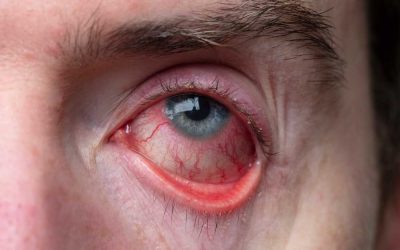


Most people assume sore, watery eyes after a long day on screens are simply part of modern life. They push through the irritation, blame “eye strain”, and expect it to disappear after some sleep. Too often, it does not.
The reality is prolonged digital screen use changes the way the eyes function. Blink rates collapse, tears evaporate faster, and the eye surface becomes increasingly unstable throughout the day. What starts as mild irritation can quietly develop into persistent dry eye disease.
I’m David Truong, Owner and Principal Optometrist at Beyond Eyecare, and we regularly assess and manage optometry patients struggling with screen use-related dry eyes and digital eye strain symptoms.
This article explains why screens affect the eyes so aggressively, the warning signs people commonly overlook, and the practical steps that can help protect long-term eye comfort.
KEY TAKEAWAYS
- Reduced blink rate during screen use is one of the biggest contributors to dry eye disease.
- Vision that briefly clears after blinking is a common early warning sign of tear film instability.
- Meibomian gland dysfunction is a major cause of screen-related dry eyes and can worsen permanently without treatment.
- Early dry eye treatment produces better long-term outcomes than simply managing symptoms with occasional eye drops.
Why Does Digital Screen Use Cause Dry Eyes?
Digital screens cause dry eyes because they dramatically reduce how often we blink, which destabilises the tear film and increases tear evaporation. Most people blink around 15 times per minute normally. During prolonged screen use, that number can fall to as low as 5.
Worse still, many of those blinks become incomplete. The eyelids stop fully spreading the protective oil layer across the eye surface, leaving moisture to evaporate faster than it should.
Spending a lot of time in office environments usually add fuel to the fire. Air conditioning, low humidity, glare, and poorly positioned monitors all increase tear evaporation.
What Are The Symptoms Of Screen Use-Related Dry Eyes?
Screen-related dry eyes rarely appear all at once. Symptoms usually build gradually throughout the day as the tear film becomes increasingly unstable during prolonged screen use.
- Burning, grittiness, blurred vision, and eye fatigue often worsen progressively from morning to evening. Many people mistake these symptoms for simple tiredness rather than dry eye disease.
- Vision that briefly clears after blinking is an early warning sign that the tear film is breaking down too quickly. As dryness increases, reading and focusing become noticeably more demanding.
- Excessive tearing can actually be caused by dry eyes. The eyes often produce large amounts of poor-quality reflex tears when the surface becomes irritated and dehydrated.
- Contact lens discomfort becomes a real problem for some wearers because the lenses themselves can further disrupt tear film stability.
Dry eye symptoms caused by screens tend to worsen when ignored. Early intervention usually produces faster, more effective long-term relief.

What Actually Causes Dry Eye Disease?
Dry eye disease is usually caused by poor tear quality rather than simply not producing enough tears.
In many patients, the real problem sits inside the eyelids themselves. Tiny oil glands called meibomian glands produce the protective oil layer that stops tears evaporating too quickly. When these glands become blocked or unhealthy, the tear film breaks apart rapidly after each blink.
This is why reduced blink rate screens are such a problem. Blinking acts like a pump system for the glands. Long periods of screen use suppress that mechanism for hours at a time. The oils stagnate. The glands become inflamed. Tear evaporation increases. Symptoms escalate.
Without treatment, the glands can gradually atrophy and stop functioning permanently. Once that tissue is lost, recovery becomes far harder. Early diagnosis changes the trajectory completely.
Can Lifestyle Adjustments Reduce Dry Eye Symptoms From Screens?
Reducing screen-related dry eyes usually comes down to lowering tear evaporation and giving the eyes more opportunities to recover throughout the day. Small adjustments often produce surprisingly meaningful improvements when applied consistently.
- The 20-20-20 rule helps interrupt prolonged screen fixation and encourages fuller blinking. Every 20 minutes, look 20 feet away for 20 seconds.
- Screen positioning has a direct impact on tear evaporation. Monitors placed slightly below eye level help the eyelids cover more of the eye surface and reduce dryness.
- Glare, air conditioning, and low humidity all place extra stress on an already unstable tear film. Reducing glare and and adding a humidifier to the room can noticeably improve comfort during long workdays.
- Evening phone use often prolongs irritation because the eyes receive very little recovery time before sleep. Symptoms commonly carry into the next day as a result.
Consistent changes to daily habits usually produce noticeable long-term improvement.
What Treatments Are Available For Screen-Related Dry Eyes?
Effective treatment for screen-related dry eyes usually involves improving both tear film stability and the health of the oil glands that protect the eye surface. Short-term relief is important, but long-term improvement depends on addressing the underlying cause of tear evaporation.
- Preservative-free artificial tears help lubricate the eye surface without adding irritation from frequent use. Lipid-based drops such as Systane Complete and NovaTears can help replace the deficient oil layer seen in evaporative dry eye disease.
- Gel eye drops may suit patients whose symptoms persist into the evening or interfere with sleep. Thicker formulations generally provide longer-lasting surface protection.
- Lubricating drops alone rarely solve chronic dry eye disease if the meibomian glands remain blocked. Warm compresses help soften trapped oils and improve gland function over time.
- Omega-3 supplements may help improve the quality of oils produced by the meibomian glands and reduce tear evaporation.
- Proper hydration is important for maintaining healthy tear volume, but water requirements vary depending on factors such as body weight, activity levels, climate, caffeine intake, medications, and overall health.
The most successful dry eye treatment plans usually combine healthy habits, surface lubrication, and targeted gland treatment.

When Should You See An Optometrist About Dry Eyes?
You should see an optometrist for dry eyes if symptoms persist despite self-care, interfere with daily comfort, or continue worsening over time.
Temporary irritation after a long day on screens is common. Persistent burning, fluctuating vision, excessive tearing, or ongoing discomfort is different. That usually signals underlying dry eye disease rather than simple fatigue.
A proper assessment identifies what is actually failing within the tear film system. At Beyond Eyecare we assess tear quality, blink completeness, eyelid health, and meibomian gland function with far greater precision than home remedies allow.
Many patients spend months cycling through random eye drops without realising the core problem has never been addressed.
Final Thoughts
Modern life has quietly trained people to ignore dry eye symptoms. We stare at screens for hours, work in air conditioning, scroll before bed, and then dismiss the irritation as “normal”. Meanwhile, the surface of the eyes becomes increasingly unstable and inflamed in the background.
The good news is dry eye disease aggravated by digital screen use is often very manageable when identified early. Small daily habits matter. Proper treatment matters even more. Healthy eyes are supposed to feel invisible. If you are constantly aware of your eyes during the day, your eyes are usually trying to tell you something important.
If you are struggling with burning, watery, gritty, or fluctuating vision after screen use, then the wisest choice you can make is to arrange a dry eye assessment with one of our clinics in Sydney.
Book an appointment with Beyond Eyecare today at Zetland (02) 9662 6364 or Surry Hills (02) 9556 1160. You can also schedule a convenient time through our website.

Therapeutical endorsement