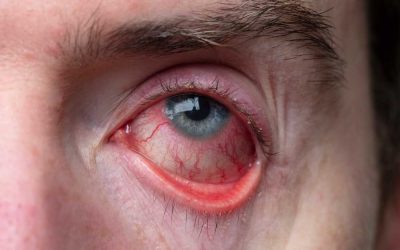


You’ve probably felt it before. Eyes that begin to sting halfway through the day. That gritty vision experience after long screen hours. The slow blur of your sight that clears only when you blink again.
That’s often how dry eye begins. It’s an irritation that seems harmless until it starts affecting focus, patience, and performance.
I’m David Truong, Owner and Principal Optometrist at Beyond Eyecare. We treat patients across Sydney who live with constant dryness, redness, or that “something in the eye” feeling that never quite leaves. Let’s break down what’s really happening, what causes it, and dry eye treatment that keeps it under control long term.
Key Takeaways
- Dry eye develops from poor tear balance, screen strain, and environmental exposure.
- Beyond Eyecare accurately diagnoses dry eye using advanced imaging and tear film tests.
- Early management of dry eye includes preservative-free lubricants, warm compresses, and daily lid cleaning.
- Persistent dry eye cases benefit from cyclosporine drops, IPL therapy, or protective scleral lenses.
- Ongoing reviews and consistent habits help maintain eye surface moisture and lasting comfort.
What Is Dry Eye Disease?
Ever notice how small problems begin to stack up when ignored? Dry eye disease (a.k.a. dry eye syndrome) works like that. It starts with tear imbalance and ends with chronic surface inflammation.
Dry eye occurs when the eyes fail to produce enough tears or when the tears evaporate faster than they should. That imbalance disrupts the tear film, the thin layer that keeps vision clear and the cornea protected. Once that system weakens, friction builds and further damages glands, resulting in chronic discomfort, blurred vision, and irritation that often worsens with time.
What Are the Different Types of Dry Eye?
Two main mechanisms drive it.
- Aqueous-deficient dry eye happens when the glands can’t generate enough liquid.
- Evaporative dry eye stems from blocked oil glands that cause tears to vanish too fast.
- Many patients experience both, creating a mixed type
To learn more about the different types of dry eye, watch the following video from the Medical Centric YouTube channel.
What Causes Dry Eye Syndrome?
The most common cause of dry is Meibomian Gland Dysfunction (MGD) but that’s not to say every patient’s dry eye causes are the same. Age, hormones, medication, and daily habits all play a role. The challenge is identifying what’s compounding the problem, not just masking symptoms.
How Do Age, Gender, and Hormones Play a Role?
Dry eye becomes more frequent with age. Women are particularly affected after menopause when hormonal changes alter tear chemistry and oil production. Some patients report dryness during pregnancy or hormone therapy, which can temporarily shift how the tear glands behave.
What Medical Conditions Increase the Risk?
Autoimmune diseases such as Sjögren’s, lupus, and rheumatoid arthritis can weaken tear glands over time. Thyroid conditions disrupt blinking patterns. Some CPAP machine users may deal with a constant airflow that leaks from the mask which can dry the eyes overnight. It’s the kind of background variable most overlook until symptoms escalate.
Can Lifestyle or the Environment Trigger Dry Eye?
Absolutely. Long screen hours lower blink rate, which accelerates evaporation. Air conditioning and Sydney’s dry winters strip moisture from indoor air. Even contact lenses contribute by drawing water from the tear film. True enough, many chronic cases build slowly from routine exposure rather than sudden events.
Which Medications Can Contribute to Dry Eye?
Antihistamines, antidepressants, and blood pressure medications often reduce tear output. Hormonal treatments can do the same. When we know what you’re taking, we can design a care plan that directly offsets those side effects instead of fighting them blindly.
What Are the Symptoms and Complications of Dry Eye?
Dry eye is a small, yet persistent type of irritation. It makes you blink more, rub your eyes, lose focus. Patients describe burning, stinging, or that sandy texture under the lids. Redness is common. So is watery tearing, oddly enough—it’s the eye’s way of overcorrecting. Vision might blur during reading or screen work and clear again with a blink.
What Happens If Dry Eye Is Left Untreated?
If you neglect or outright ignore your dry eye symptoms, it turns mild discomfort into chronic inflammation. The cornea can develop micro-abrasions, increasing infection risk. In severe cases, scarring forms.
Over months, quality of life declines, not because of pain alone, but from the constant distraction. That’s often the turning point where people finally seek professional help.

How Does Beyond Eyecare Diagnose Dry Eye?
We map dry eye cause and severity with specific metrics, because treatment precision depends on data.
What Happens During a Clinical Evaluation?
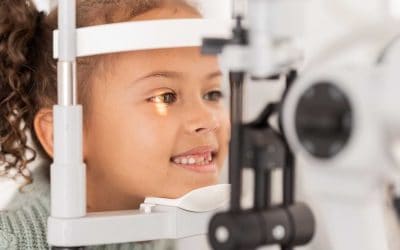
We start with detailed history: symptoms, environment, medications, and daily patterns. Under slit-lamp examination, we assess eyelid health, tear film quality, and blink behaviour. Questionnaires quantify how symptoms affect daily tasks as a baseline to track improvement against.
What Diagnostic Tests Are Used?
Several tools define the state of your eye health:
- Meibomian gland imaging checks for eyelid gland blockages.
- Tear breakup time measures how fast the tear film destabilises.
- Corneal fluorescein staining highlights irritation points invisible to the eye.

What Are the Evidence-Based Dry Eye Treatment Options?
Successful dry eye management address root causes first, then alleviates symptoms.
| Category | Treatment Focus | Key Methods and Tools | Outcome |
| First-Line Treatments | Stabilise tear film and relieve friction | • Preservative-free artificial tears for daily use
• Lubricating gels or ointments for overnight recovery |
Reduces irritation and builds a stable tear surface for long-term repair |
| At-Home Management | Maintain consistency and support gland function | • Warm compresses to melt thickened oils
• Eyelid cleaning with sterile wipes • Use of humidifiers in dry spaces • Screen hygiene: 20-20-20 rule (every 20 mins, look 6 m away for 20 s) |
Prevents evaporation, restores tear quality, and reduces daily flare-ups |
| Medical Treatments (under the supervision of an optometrist or ophthalmologist) | Target inflammation and improve tear retention | • Cyclosporine or lifitegrast drops
• Short courses of topical steroids for acute flare-ups • Punctal plugs to preserve natural tears • Scleral lenses for severe dryness |
Controls inflammation, restores moisture balance, protects corneal surface |
| In-Office Procedures | Clear blockages and restore gland output | • Meibomian gland expression or thermal pulsation
• Intense pulsed light (IPL) therapy • BlephEx micro-exfoliation for eyelid hygiene |
Improves corneal surface quality by improving the flow of necessary oils to your eye surface |
*
What Are the First-Line Treatments For Dry Eye?
Preservative-free artificial tears from your pharmacy build the foundation. Lubricating gels or ointments are used overnight for recovery. These stabilise the tear film and reduce friction, buying time for deeper repairs to take hold.
How Can I Manage Dry Eye at Home?
Dry eye management at home starts with steady habits.
- Warm compresses melt thickened oils in the glands, keeping tears smooth.
- Clean eyelids daily using sterile wipes or approved solutions to reduce irritation.
- A humidifier helps maintain moisture indoors, especially during Sydney’s dry months.
- Follow the 20-20-20 rule: every 20 minutes, look six metres away for 20 seconds.
- Drink enough water to stay hydrated throughout the day
- Add Omega-3 supplements to your diet (flaxseed oil can be a plant-based alternative to fish oil)
These small, consistent actions reduce strain, refresh the eyes, and help prevent flare-ups that build up during long workdays or screen use.
What Professional Treatments Are Available For Dry Eye?
- Prescription anti-inflammatory drops like cyclosporin or lifitegrast help regulate tear chemistry and gland function.
- Short steroid courses may calm redness during flare-ups.
- Punctal plugs conserve natural tears by reducing drainage, extending eye moisture through the day.
- In more advanced cases, scleral lenses create a liquid layer that shields the cornea from friction and dryness.
Which In-Office Dry Eye Treatments Can Help?
- Meibomian gland expression or thermal pulsation clears hardened oils and blockages helping to improve the stability of the tear film, slowing down evaporation.
- Intense pulsed light (IPL) therapy reduces inflammation and supports healthy oil production.
- BlephEx micro-exfoliation removes debris and bacteria along the eyelid margin, improving hygiene and reducing flare-ups.
How Do You Control Demodex Mites?
Demodex mites live naturally on lashes but become problematic when they overpopulate. They block glands and inflame eyelids. Tea-tree-oil-based cleansers or targeted clinical treatments help reset that balance. When we reduce mite load it often leads to clearer glands and steadier tear film.
How Do Sleep Habits Affect Eye Health?
Poor sleep or air leaks from CPAP masks dry the cornea overnight. Moisture goggles or lubricating gels protect during rest. Quality sleep helps the tear glands recover daily output.
When Should I See an Ophthalmologist?
If corneal damage, scarring, or autoimmune activity appears, we coordinate with ophthalmologists for co-management. Integrated care makes sure you recover well without redundant treatments.
Final Thoughts on Dry Eye Treatment
You want to get through your day without constantly blinking, rubbing, or hunting for the next bottle of eye drops. But dry eye keeps turning ordinary moments — reading, driving, working — into a gritty test of endurance.
If that sounds familiar, the correct decision is to book an appointment with us — we’ll help you calm the irritation, restore clarity, and get your eyes back to doing what they do best: seeing the world, not feeling it.
And don’t worry — most of our patients started exactly where you are now, before finally seeing the difference comfort makes.
Book an appointment with Beyond Eyecare today at Zetland (02) 9662 6364 or Surry Hills (02) 9556 1160. You can also schedule a convenient time through our website.

Therapeutical endorsement