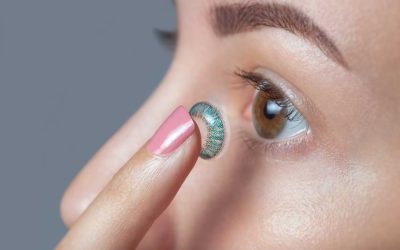


So you would like to wear contact lenses, but you have dry eyes. Are you setting yourself up for constant discomfort?
I’m David Truong, Owner and Principal Optometrist at Beyond Eyecare. I work with patients every day who want the freedom of contact lenses but are worried their dry eyes will get in the way.
In this article I’d like to show you how those concerns are often manageable with the right approach.
KEY TAKEAWAYS
- Many people with dry eyes can still wear contact lenses with the right lens type and care plan.
- Modern lenses, especially daily disposables and silicone hydrogel options, significantly improve comfort.
- Dry eye type and severity directly influence whether lenses will feel comfortable or not.
- Professional contact lens fitting and ongoing dry eye management are essential for safe and stable lens wear.
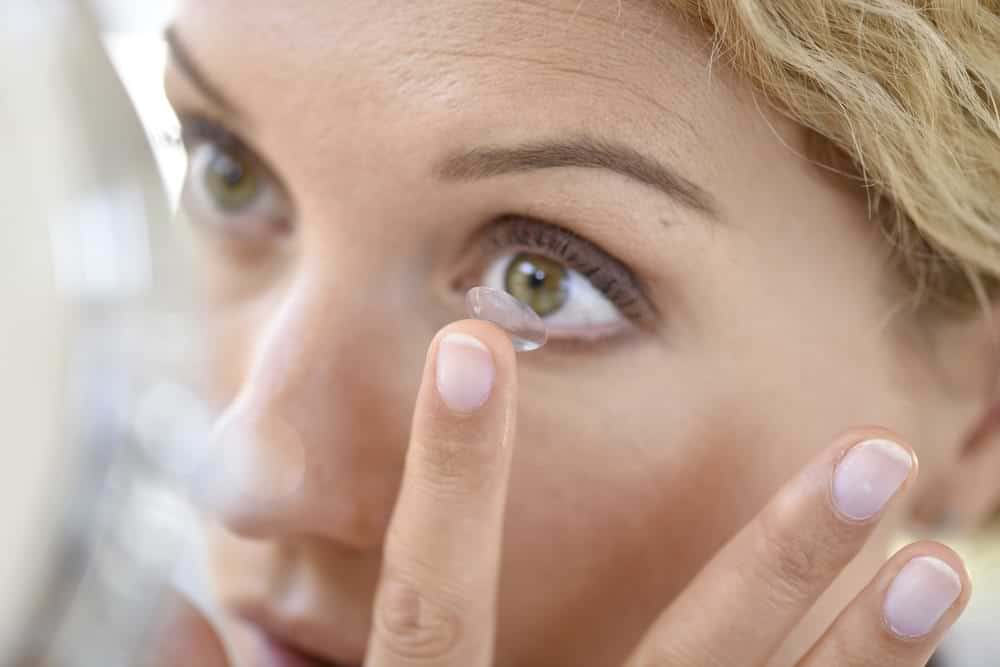
Understanding Dry Eyes and Contact Lens Wear
How do dry eyes actually affect day-to-day comfort and vision clarity?
Dry eye occurs when the tear film is not stable enough to keep the surface of the eye properly lubricated. This can happen because tears evaporate too quickly or because the eyes do not produce enough quality tears.
Contact lenses sit directly on top of the tear film. That means they naturally influence how moisture spreads across the eye. In people with dry eyes, this can make symptoms more noticeable, especially later in the day. The lenses may draw moisture away from the surface or disrupt tear distribution, which leads to increased awareness of the lens itself.
Common signs include a gritty or sandy sensation, eyes that feel tired or heavy, redness, and vision that becomes slightly blurred but improves after removing the lenses. Some people also notice that their eyes feel fine in the morning but worsen with screen time or air-conditioned environments.
Dry eye is not a single condition. Evaporative dry eye is more common and relates to tear film instability. Aqueous-deficient dry eye is linked to reduced tear production. Each type behaves differently with contact lens wear, which is why a proper assessment matters before choosing lenses.
Despite these challenges, many people with mild to moderate dry eye can still wear lenses comfortably with the right approach and support. It often depends on matching the lens type to the eye’s tear profile rather than avoiding lenses altogether.
Can People with Dry Eyes Wear Contact Lenses?
Many people with dry eyes can wear contact lenses comfortably when the lenses and care approach are chosen correctly. In our experience at Beyond Eyecare, the outcome depends far more on matching the right lens type to the eye than on the diagnosis of dry eye alone.
Modern lens technology has made a noticeable difference. Silicone hydrogel lenses allow more oxygen through to the eye, which helps reduce stress on the ocular surface. Daily disposable lenses also remove the need for cleaning solutions, which can sometimes aggravate sensitive or dry eyes.
The physical design of the lens also matters. Smaller diameter lenses, improved edge designs, and moisture-retaining surface treatments all help maintain a more stable tear film during wear. Even small adjustments in fit can change comfort levels significantly.
Best Contact Lens Options for Dry Eyes
The right lens choice can make a noticeable difference.
- Daily disposable lenses are often the first choice for dry eyes because they reduce buildup on the lens surface. They also remove the need for cleaning solutions, which can irritate sensitive eyes. Fresh lenses each day usually feel more comfortable for longer periods of wear.
- Silicone hydrogel lenses are another strong option for many patients. They allow more oxygen to reach the eye, which supports surface health and reduces strain during wear. Many newer versions also include moisture-retaining technologies that help keep the tear film more stable.
- Water content alone is not a reliable indicator of comfort. Higher water content lenses can dry out more quickly, while lower water content designs may hold moisture better on the eye. Surface treatments that improve lubrication often matter more than water percentage.
The goal is consistent comfort and clear vision throughout the day, not just at the time of insertion.
The Importance of Professional Lens Fitting and Dry Eye Management
Dry eye management is part of the process from the very beginning. If the tear film is unstable, lenses will struggle to feel comfortable no matter the brand or material. That’s why we often combine lens fitting with targeted dry eye treatment, such as improving oil gland function or supporting tear quality before full-time lens wear begins.
The fitting itself includes checking how the lens sits, how long it stays comfortable, and how the eye responds after a few hours of wear. From there, we can fine-tune replacement schedules, wearing time, and lens type to suit daily life rather than forcing a one-size approach.
Follow-up care is just as important. Dry eye can change over time, and contact lens performance can shift with it. Regular reviews allow us to catch early signs of irritation before they become a bigger problem.
Practical Tips for Comfortable Contact Lens Wear with Dry Eyes
When dry eye symptoms make comfort difficult, small daily habits often make the biggest difference. We focus on simple changes that help people keep wearing lenses without pushing their eyes too far.
- Comfort improves when wear time is managed properly. We usually suggest starting with shorter wearing periods, especially when first using lenses or after a prescription change. This allows the tear film to adapt without becoming overloaded and reduces end-of-day dryness.
- Lubrication support is important for maintaining moisture. Preservative-free eye drops designed for contact lens wearers can refresh the eye without irritation. They are especially helpful during long screen use or in dry environments like air conditioning.
- Good lens hygiene reduces irritation and lowers eye infection risk. Clean hands, proper storage, and replacing lenses on schedule all protect the ocular surface. Sleeping in lenses, unless specifically advised, increases dryness and complication risk.
- Environment and screen habits have a direct impact on comfort. Air conditioning, heating, and low humidity increase tear evaporation, while reduced blinking during screen time worsens dryness. Regular breaks and conscious blinking help stabilise the tear film.
- If discomfort starts building, removing lenses early is the safest option. Giving the eyes time to recover prevents irritation from escalating and often improves next-day comfort.
When Contact Lenses May Not Be Suitable
When do problems reach a point where wearing lenses may no longer be the safest or most comfortable option?
There are situations where contact lenses may need to be paused or avoided for a period of time. This usually happens when dry eye is severe, not yet treated, or has caused significant irritation to the eye’s surface. In these cases, continuing with lenses can make symptoms worse rather than better.
We also look closely at daily habits. Poor lens hygiene, overwearing lenses beyond the recommended schedule, or inconsistent follow-up care can all increase the risk of complications. Dry eyes are more sensitive, so small mistakes tend to have a bigger impact.
Some patients find that even modern lenses do not provide enough comfort. That is completely valid, and in those cases we discuss other vision options such as glasses or alternative lens wear strategies that reduce exposure time.
It is also important to remember that dry eye is not always permanent in its current state. With the right treatment, the eye surface can often improve. This means lens wear may become possible again later, even if it is not suitable right now.
The key is honesty about what the eyes can handle safely at each stage, rather than forcing lens wear at all costs.
Final Thoughts
Contact lenses and dry eyes aren’t mutually exclusive — but they do demand a bit more precision. Comfort doesn’t come from pushing through symptoms or hoping a different lens will magically fix things; it comes from aligning the lens, the tear film, and your day-to-day habits so they actually work together.
When that alignment is right, lenses stop being something you “manage” and start feeling like they should — barely noticeable.
If you are unsure whether your eyes can comfortably support contact lenses or you’re finding wear less reliable than it should be, then the right decision is to schedule a consultation with our clinic.
Book an appointment with Beyond Eyecare today at Zetland (02) 9662 6364 or Surry Hills (02) 9556 1160. You can also schedule a convenient time through our website.

Therapeutical endorsement