
Do you wonder what it’s really like adjusting to contact lenses? For first-time wearers, questions about comfort, safety, and daily habits often come up in the first week. Early guidance helps avoid common mistakes with hygiene and wear time. Left unaddressed, small issues like dryness or irritation can discourage patients from continuing with lenses.
I’m David Truong, Owner and Principal Optometrist at Beyond Eyecare. Let’s look at the myths, tips, and routines that help new wearers adapt.
Key Takeaways
- Adjusting to contact lenses often takes several days, with gradual increases in wear time recommended by your optometrist.
- Daily disposable contact lenses are considered lower risk for infection and require no cleaning, while monthly lenses are more cost-effective but need strict care.
- Contact lens discomfort may result from dry eyes, poor fit, or lens deposits, and can often be improved with lubricating drops and lid hygiene.
- Regular optometrist reviews are critical to monitor corneal health, update prescriptions, and maintain safe, long-term contact lens use.
Common Myths About Adjusting To Contact Lenses
Starting contact lenses can feel daunting, especially with so many myths floating around. The truth is, most patients adjust smoothly when given the right information and support. Let’s clear up the most common misconceptions so you know exactly what to expect.
Safety Myths
Myth 1: Contacts Can Get Lost Behind the Eye
This is anatomically impossible. A natural tissue layer called the conjunctiva prevents lenses from slipping into the back of the eye.
Myth 2: Contact Lenses Are Unsafe
When fitted correctly and cared for with proper hygiene, contact lenses are considered safe. The main risks occur when instructions are ignored or lenses are worn too long.
Myth 3: Contact Lenses Can Permanently Stick to the Eye
Soft lenses may occasionally dry out and feel stuck, but a few drops of lubricating solution quickly restore movement. They cannot fuse to the eye’s surface.
Myth 4: You Can’t Swim or Shower With Contact Lenses
It’s true that water exposure increases the risk of infection, so patients are advised not to swim or shower in contacts. But with daily disposables and well-fitted protective goggles, safe swimming is still possible.
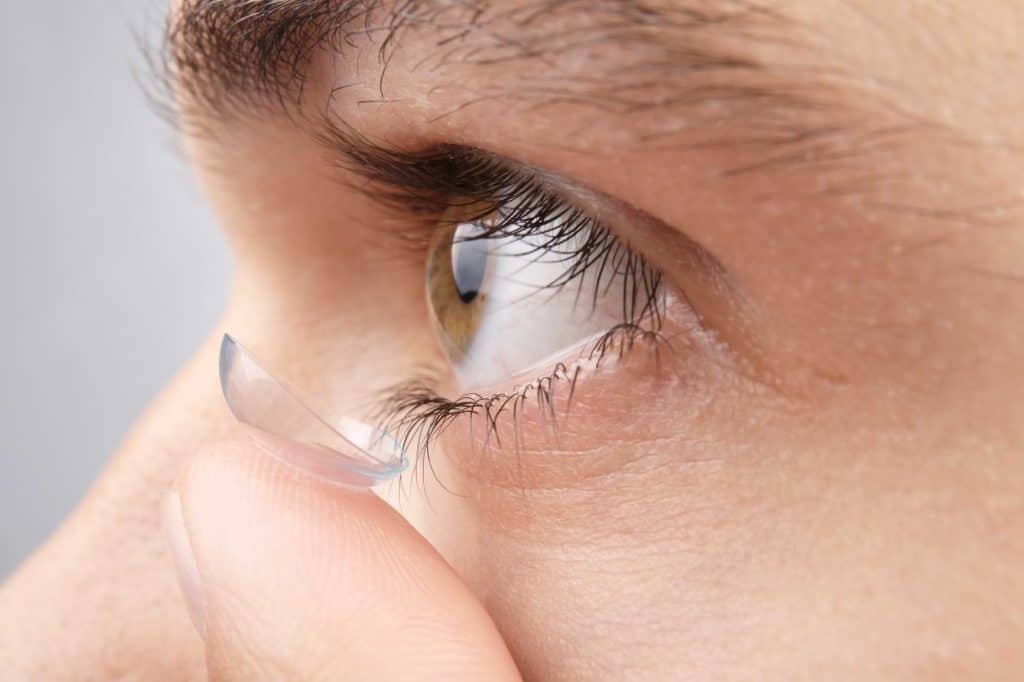
Comfort & Adaptation Myths
Myth 5: Contact Lenses Are Uncomfortable
Modern lenses are made from breathable materials that support comfort and oxygen flow. With proper fitting, most people adapt quickly.
Myth 6: Contact Lenses Always Cause Dry Eyes
Not necessarily. Advanced lens designs and materials mean many dry-eye sufferers can still wear lenses comfortably with the right fit.
Myth 7: Contact Lenses Can Fall Out Easily
Modern contact lenses are designed to fit the natural curve of your eye, which keeps them securely in place. With the right prescription and fitting from your optometrist, lenses rarely move or fall out during everyday activities.
Suitability Myths
Myth 8: Your Contact Lens Prescription and Glasses Prescription Are the Same
They look similar but aren’t identical. Contact lenses sit directly on the eye, while glasses sit about 12 mm away. This difference changes how the prescription is measured and fitted. A proper lens fitting ensures clear, comfortable, and safe vision.
Myth 9: You’re Too Old (or Too Young) for Contact Lenses
Children, teens, and adults—even into senior years—can often be fitted. Age is rarely a barrier when health and motivation are considered.
Myth 10: People With Astigmatism or Presbyopia Can’t Wear Contacts
Special lenses such as torics (for astigmatism) and multifocals (for presbyopia) make contact lenses an option for nearly all prescriptions.
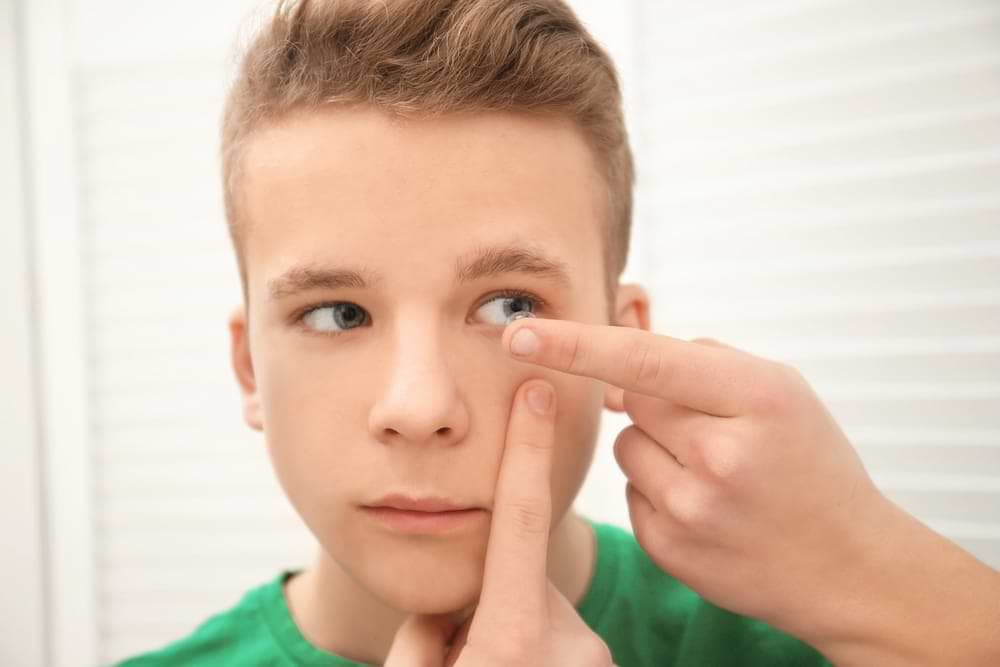
Lifestyle & Health Myths
Myth 11: Contact Lenses Are Only About Looks
Many people choose contact lenses because they prefer the freedom of being glasses-free, and coloured lenses are available for those wanting a style change. But beyond appearance, the main purpose of contact lenses is vision correction. In fact, specialty designs can also treat complex conditions such as keratoconus or provide options for myopia control in children.
Myth 12: You Don’t Need Regular Check-Ups If You Wear Contact Lenses
Regular reviews are essential to monitor eye health, ensure good oxygen supply, and adjust prescriptions when needed.
Myth 13: Glasses Are Always Healthier for the Eyes Than Contacts
Both are safe when used properly. Contacts provide wider peripheral vision, freedom during sport, and greater flexibility for many lifestyles.
Cost & Convenience Myths
Myth 14: Contact Lenses Require Too Much Maintenance
Daily disposables offer a simple “wear-and-throw” routine with almost no maintenance. Even reusable lenses are easy once patients learn the cleaning steps.
Myth 15: Contact Lenses Are Too Expensive Compared to Glasses
With a wide range of price points, contact lenses can be surprisingly affordable. Many patients find the benefits well worth the investment.

Tips for Adjusting to Contact Lenses
What’s the actual process like if you’re new to contact lenses? The first week with contact lenses is usually the most challenging. Eyes need time to adapt to a new surface, and wearers need time to build confidence with insertion, removal, and cleaning.
Getting Fitted By An Optometrist
A comprehensive eye exam is the starting point for safe contact lens wear. We examine the cornea, tear film, and overall eye health to measure and guide lens selection. Trial lenses help confirm fit, and follow-up visits make sure comfort and clarity remain consistent.
Daily vs Monthly Lenses
| Lens Type | Pros | Considerations |
| Daily disposable | Fresh lens each day, lower infection risk, no cleaning required | Can be higher cost long-term |
| Monthly | More cost-effective, wider range of prescriptions available | Requires strict cleaning and storage |
Daily disposable lenses are replaced with a fresh pair each morning and discarded at the end of the day. For new wearers, this removes the need for cleaning and storage, which lowers the risk of infection and makes them a convenient option for busy schedules or travel.
Many patients find dailies particularly useful if they only wear contacts part-time, such as for sport or social occasions. The trade-off is higher cost over the long term compared with reusable options.
Monthly lenses are replaced once a month but must be cleaned and stored correctly each night in fresh solution. They are often more cost-effective for people who wear contact lenses every day. Since hygiene is critical with monthlies, they are best suited for wearers who are confident in maintaining a consistent cleaning routine. Patients who skip or rush cleaning steps may experience more discomfort or higher infection risk compared with daily wearers.
Breaking In Period
The eyes usually need several days to adapt to new lenses. We recommend gradually increasing wear time. Start with a few hours on day one, then extend by an hour or two each day until a full day is manageable. This approach reduces irritation and supports safe adjustment.
It is normal to feel mild awareness of the lens in the first few days. Sharp pain, ongoing redness, or persistent blur should be assessed before further use. Having a lens case with fresh solution and backup glasses available helps if removal becomes necessary during the day.
Types of Contact Lenses
Contact lenses aren’t one-size-fits-all. Your optometrist will recommend the type best suited to your eyes, prescription, and lifestyle. Each comes with its own advantages — and its own adjustment period. Knowing what to expect makes the transition easier.
- Rigid Gas Permeable (RGP) lenses – Provide very sharp vision, especially for higher prescriptions or corneal conditions. They feel firmer on the eye at first, but comfort improves gradually over 1–2 weeks. Many long-term wearers find them very comfortable.
- Soft contact lenses – The most common option, available in different designs depending on your needs. They’re generally easy to adapt to, though some patients notice mild dryness or awareness at first.
- Spherical lenses (for short-sightedness or long-sightedness) – A simple design that provides clear vision for most prescriptions. Adaptation is usually quick and straightforward.
- Toric lenses (for astigmatism) – Designed to rotate into the correct position on the eye. They may take a few extra minutes to stabilise compared to spherical lenses, but vision typically settles quickly.
- Multifocal lenses (for presbyopia) – Allow both near and distance vision. Adaptation requires patience as the brain learns to “balance” focus, but most people adjust well with consistent wear.
- Cosmetic (coloured or decorative) lenses – Safe when properly fitted, but like all lenses, they require strict hygiene. Opaque designs may slightly affect vision in dim light, and patients should allow time to adjust.
- Scleral lenses – Larger lenses that vault over the cornea and rest on the white part of the eye. They are filled with sterile saline before insertion. Comfort is excellent once in place, though learning the insertion technique takes practice.
- Bandage lenses (medical use) – Special therapeutic lenses that protect a sensitive or injured cornea. They are usually very comfortable but are temporary and used under close supervision by the optometrist.
The takeaway: Each lens type has its own learning curve. With patience, practice, and guidance from your optometrist, most patients adapt smoothly and enjoy the benefits.
Managing Discomfort and Building Long-Term Confidence
Discomfort is the main reason some people stop wearing contact lenses, but in most cases the cause can be identified and addressed. If discomfort persists, the most important step is to schedule an appointment with your optometrist. A professional assessment can rule out underlying issues such as poor lens fit, dryness, or eye health conditions — ensuring the right solution is found for your eyes.
Common Causes of Discomfort
- Dry eyes or reduced tear quality
- An incorrect lens fit or lens movement
- Deposits building up on the lens surface
- Environmental factors like air conditioning, heating, or extended screen time
Understanding which factor is responsible is key to resolving the problem effectively.
Supporting Comfort Day-to-Day
While professional care should guide your management plan, some simple steps may also help maintain comfort between visits:
- Use lubricating drops approved for contact lens wear – These replenish moisture and relieve dryness throughout the day.
- Follow the 20-20-20 rule – Every 20 minutes, look at something 6 metres away for 20 seconds. This relaxes your focus and restores natural blinking.
- Stay hydrated – Drinking enough water supports a healthy tear film, which is vital for comfort.
- Consider omega-3 fatty acids – These nutrients can improve tear quality and reduce lens-related dryness.
- Apply warm compresses and maintain good lid hygiene – This supports healthy oil flow from the eyelids, helping tears last longer on the eye’s surface.
The takeaway: Persistent discomfort should never be ignored — your optometrist can identify the underlying cause and provide tailored solutions. With the right guidance, most patients build long-term confidence and enjoy the freedom of contact lens wear.
Contact Lenses in Different Environments
While contact lenses fit easily into most lifestyles, certain environments can create extra challenges. Knowing what to expect — and how to prepare — helps keep your eyes comfortable and healthy.
- Sport and exercise: Lenses provide wider peripheral vision and freedom from glasses, but sweat, wind, or sudden impacts can increase the risk of dryness or displacement. Protective eyewear or sports goggles may be helpful in high-contact activities.
- Dusty or windy conditions: Particles can stick to lenses and cause irritation. Sunglasses or wraparound eyewear reduce exposure, and lubricating drops can help flush away debris.
- Dry indoor air: Air conditioning or heating can accelerate lens dryness. Regular blinking and lubricating drops maintain comfort.
- Humid environments: In hot, humid climates, excess sweat and moisture can affect lens stability. Carrying a clean cloth, drops, and a spare pair of glasses helps you adapt.
- Travel: Long flights or road trips can be drying on the eyes. Keeping lubricating drops handy, staying hydrated, and having backup glasses makes travel more comfortable.
Advice For Long Term Daily Comfort and Hygiene
A few consistent routines reduce the risk of irritation or infection.
- Wash your hands thoroughly before touching lenses.
- Follow the replacement schedule (daily, fortnightly, or monthly) exactly as prescribed.
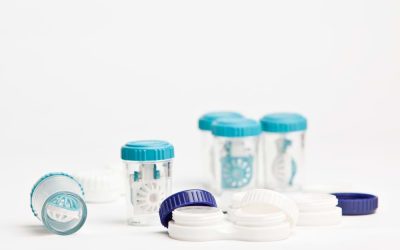
- Replace cases every time you start a new cleaning solution bottle
- Avoid rubbing your eyes, which can dislodge lenses or cause micro-scratches.
- Carry backup glasses in case lenses need to be removed at work, school, or while travelling.
- Do not sleep with contact lenses unless specifically approved for your lens type.
- Never reuse cleaning or storing solutions — and NEVER use tap water.
Final Thoughts
Adjusting to contact lenses takes time, but most patients find the transition smooth with the right guidance. By maintaining good hygiene, and attending regular check-ups, most first-time wearers can adapt successfully and protect their long-term eye health.
Remember that if you ever experience persistent discomfort, redness, or vision changes, it’s important to visit your optometrist immediately. At Beyond Eyecare in Sydney, our team can assess your eyes, fit the right lenses, and provide ongoing support to ensure your contact lens wear is safe, comfortable, and tailored to your needs.
Book an appointment with Beyond Eyecare today at Zetland (02) 9662 6364 or Surry Hills (02) 9556 1160. You can also schedule a convenient time through our website.

Therapeutical endorsement