
Dry Eye Assessment
What Is Dry Eye Disease?
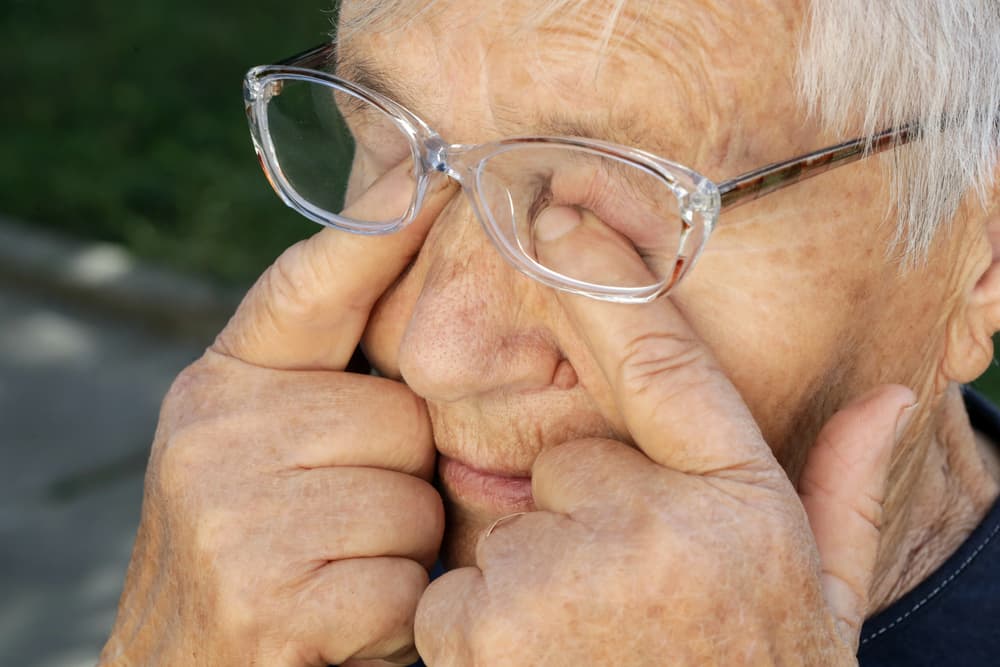
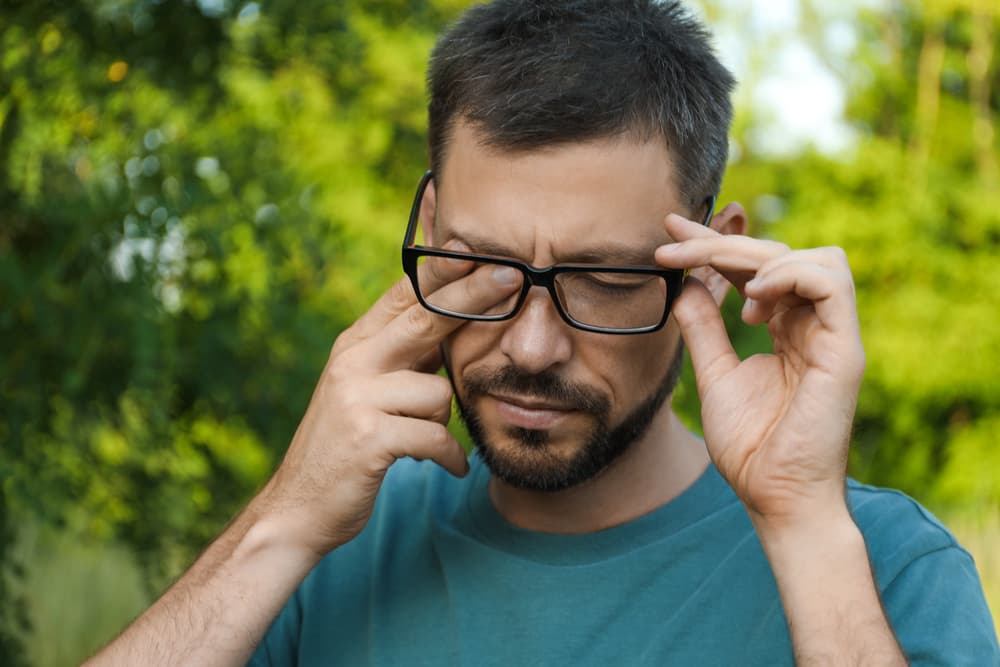
Dry eye happens when your eyes don’t produce enough quality tears to stay properly lubricated.
Dry eye has a few common drivers, often working together:
- Screen use: We blink less when staring at a screen, which speeds up tear evaporation.
- Contact lens wear: Lenses can affect the tear film, particularly with extended wear or the wrong lens type for your eyes.
- Hormonal changes: Hormonal shifts, including during menopause, tend to reduce tear production in many people.
- Environment: Air conditioning, heating, wind, and dry climates can all draw moisture from the eye’s surface.
- Age and eyelid health: Meibomian gland function tends to decline with age, which affects the oil layer of the tear film.

How We Assess and Manage Dry Eye
Dry eye has different underlying causes, so we start with an assessment before recommending anything.
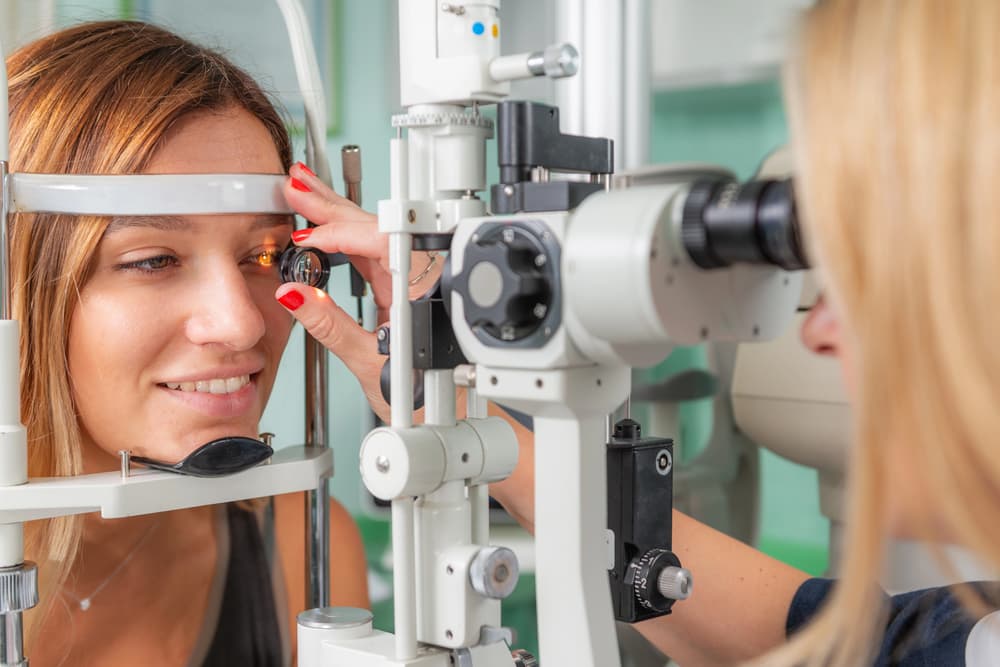
Ocular surface and meibomian gland assessment. We examine the surface of your eye and, where appropriate, the meibomian glands along your eyelids — these produce the oil layer that keeps tears from evaporating too quickly. This helps us understand what’s driving your symptoms rather than guessing at a generic fix.
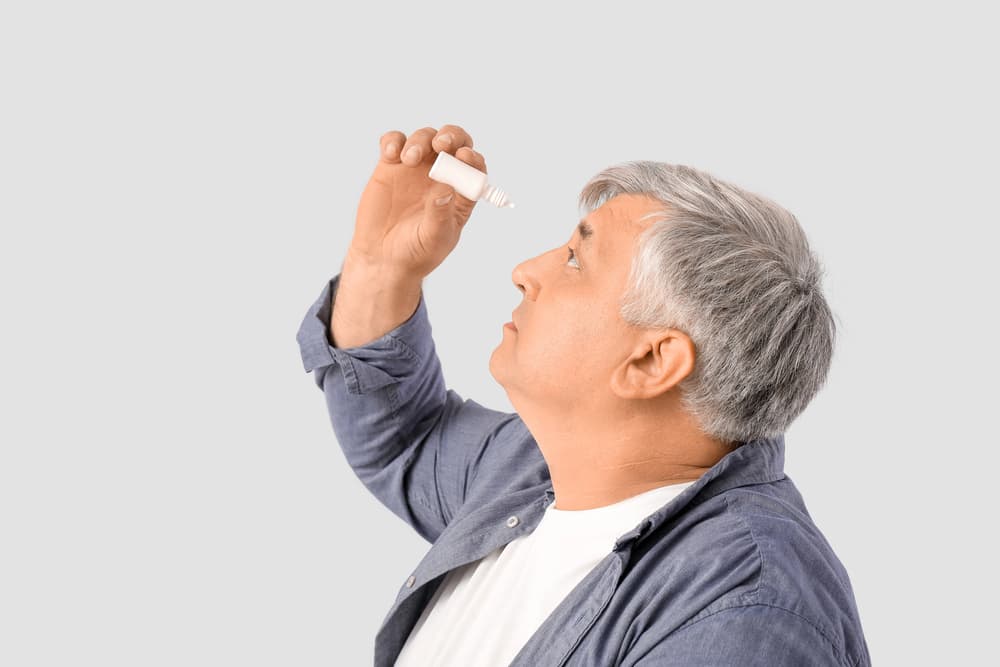
Eye lubricants. Depending on what we find, we may recommend a lubricant eye drop suited to your specific symptoms and tear film. Not all drops are the same — the right one depends on the cause.
Lid hygiene. Keeping the eyelids clean supports healthy meibomian gland function, particularly where gland involvement is contributing to your symptoms. We’ll talk you through a routine if this applies to you.
Warm compresses and other strategies. A warm compress can help loosen oil secretions from the meibomian glands. We may also suggest environmental adjustments — screen breaks, humidifiers, or blinking exercises — depending on your triggers.


Book a Dry Eye Assessment