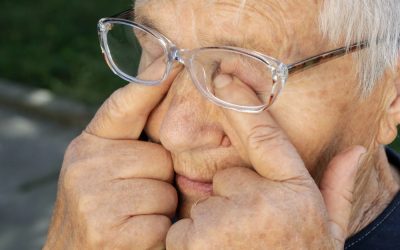

Why do so many women suddenly develop burning, watery, irritated eyes during menopause or pregnancy? Why do contact lenses sometimes become uncomfortable without any obvious explanation?
Hormonal changes are sometimes the clue. They can directly destabilise the tear film, disrupt oil gland function, and trigger persistent dry eye symptoms.
I’m David Truong, Owner and Principal Optometrist at Beyond Eyecare. At our practice, we regularly help women experiencing dry eye symptoms linked to menopause, pregnancy, contraceptive use, and other hormonal shifts. In this article, I’ll explain why these changes affect the eyes, what symptoms to look for, and which treatments genuinely help improve long-term comfort and tear stability.
KEY TAKEAWAYS
- Hormonal changes during menopause, pregnancy, and contraceptive use can disrupt tear production and meibomian gland function, leading to dry eye symptoms.
- Watery eyes, fluctuating vision, and contact lens discomfort are common signs of tear film instability rather than simple eye fatigue.
- Warm compresses, preservative-free lubricants, hydration, and omega-3 intake can significantly improve evaporative dry eye symptoms.
- Persistent hormonal dry eye should be professionally assessed because untreated gland dysfunction can progressively damage the ocular surface.
Why Do Hormonal Changes Cause Dry Eyes In Women?
More than 67% of dry eye patients are women and hormonal changes are a significant reason.
Changes in hormones can directly disrupt the glands responsible for producing healthy tears, which is why dry eyes during menopause and other hormonal transitions are so common.
Tears aren’t simply “water”. The tear film is actually a delicate three-layer system made up of oil, water, and mucus. Each layer has a specific job. If one layer weakens, the whole system becomes unstable very quickly. Think of it like a three-legged stool. Remove one leg and the whole thing wobbles.
The meibomian glands inside the eyelids produce the oily layer that slows tear evaporation. These glands rely heavily on testosterone and other androgens to function properly. At the same time, the lacrimal glands produce the watery layer of tears, and oestrogen appears to influence how effectively those glands work. Hormonal fluctuations can interfere with both systems at once. That is where problems begin.
Some women notice burning and irritation. Others notice fluctuating vision, watering eyes, or contact lenses suddenly becoming unbearable after years of comfort. The tear film becomes unstable over an extended time frame.
How Does Each Hormonal Life Stage Affect Your Eyes?
Different hormonal life stages can affect tear production, oil gland function, and tear film stability in very different ways.
The Oral Contraceptive Pill Disrupts Both Tear Volume And Oil Quality
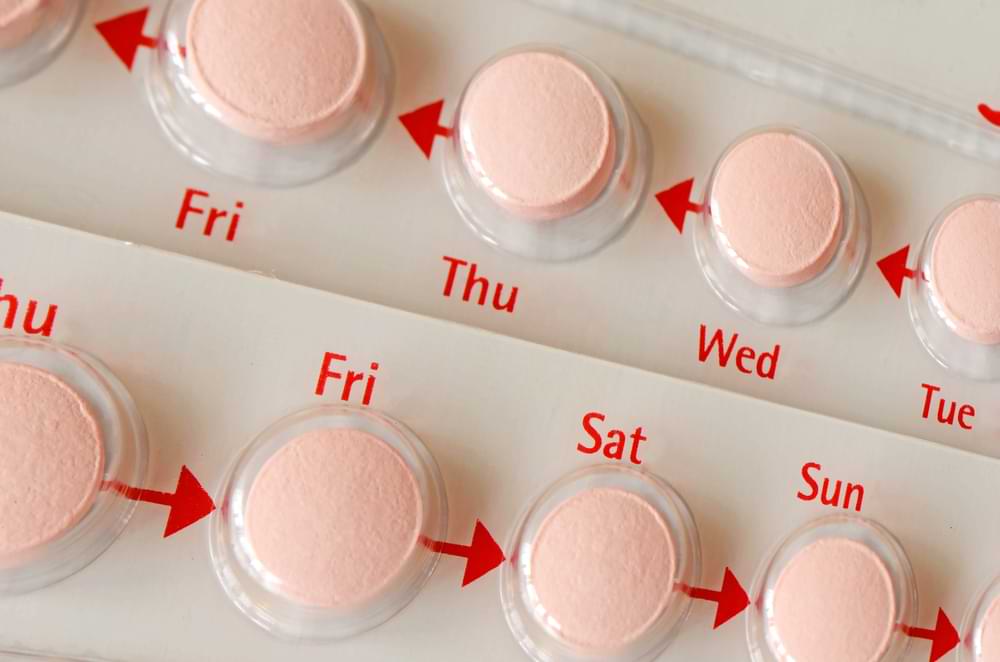
Combination oral contraceptive pills containing oestrogen and progesterone can suppress androgen activity, which is important for keeping the meibomian glands functioning properly. Women using combination pills report up to 29% more dry eye symptoms compared to non-users.
Contact lens wearers are often affected first. Reduced tear stability can make lenses feel dry, irritating, and uncomfortable much earlier in the day. Progestin-only pills appear to carry a lower dry eye risk, while non-hormonal options such as copper IUDs avoid this hormonal effect entirely.
Pregnancy Reduces Tear Production And Alters Tear Composition
Pregnancy hormones can reduce tear production and alter tear composition, particularly during the third trimester when symptoms often become more noticeable. Morning sickness can worsen the problem because dehydration directly reduces tear volume.
Most pregnancy-related dry eye improves within weeks of delivery as hormone levels stabilise again.
Perimenopause And Menopause Cause The Most Persistent Dry Eye Symptoms
Dry eye disease becomes increasingly common during menopause, with research showing 57% of menopausal women experience dry eye disease. Symptoms usually worsen gradually rather than appearing suddenly, which is one reason many women dismiss them as “normal ageing”.
Hormone Replacement Therapy (HRT) Can Have Dry Eye Side Effects
HRT can affect tear film stability differently depending on the formulation being used.
Research has shown HRT with oestrogen alone increases dry eye risk by up to 69%, while combined oestrogen and progesterone therapies may also increase risk. Hormonal changes can influence both the oily and watery components of the tear film, which is why some women notice worsening irritation, burning, watering, or fluctuating vision after starting HRT.
This does not mean women should avoid HRT altogether. However, persistent eye discomfort during menopause should not automatically be dismissed as a normal side effect of hormonal treatment.
What Does Hormonal Dry Eye Feel Like?
Hormonal dry eye rarely feels like simple dryness alone. In many women, the symptoms are surprisingly varied and often fluctuate throughout the day, which is why the condition is so commonly misunderstood or dismissed early on.
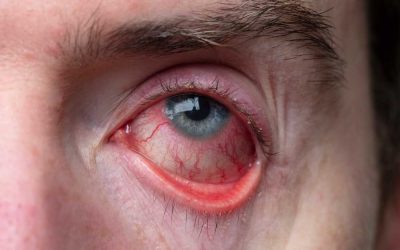
- Burning, stinging, grittiness, and redness are among the most common symptoms. Many women describe the sensation as feeling like sand or dust is trapped inside the eyes.
- Digital screen use, in air conditioning and windy environments may also aggravate symptoms. The eyes may feel relatively comfortable in the morning but steadily deteriorate by evening.
- Excessive watering can actually be a sign of dry eye disease. The eyes produce reflex tears in response to irritation, but these tears evaporate too quickly to stabilise the surface properly.
- Fluctuating or blurry vision that temporarily clears after blinking is a classic sign of tear film instability rather than a glasses prescription problem.
- Contact lens discomfort is frequently an early warning sign. Hormonal changes can quietly reduce the amount of time your lenses remain comfortable during the day.
The important thing to remember is that dry eye symptoms are often the surface expression of deeper tear film instability. The eyes sometimes detect hormonal changes before the rest of the body does.
What Can You Do To Manage Hormonal Dry Eye?
Hormonal dry eye usually improves most when treatment focuses on stabilising the tear film rather than simply adding more moisture. In our experience, the best results come from combining gland support, lifestyle adjustments, and targeted lubrication rather than relying on a single “magic” eye drop.
- Prioritise omega-3 intake through oily fish, flaxseed, chia seeds, or supplements. Healthy oils support meibomian gland function and help slow tear evaporation.
- Stay properly hydrated, particularly during pregnancy or menopause. Mild dehydration can quietly reduce tear volume and worsen irritation.
- Apply heat packs daily for 8–10 minutes to soften blocked gland oils. Consistency matters far more than intensity.
- Take regular screen breaks using the 20-20-20 rule (take a 20-second break, every 20 minutes and look at something 20 feet away) . Concentrated screen use suppresses effective blinking and destabilises the tear film surprisingly quickly.
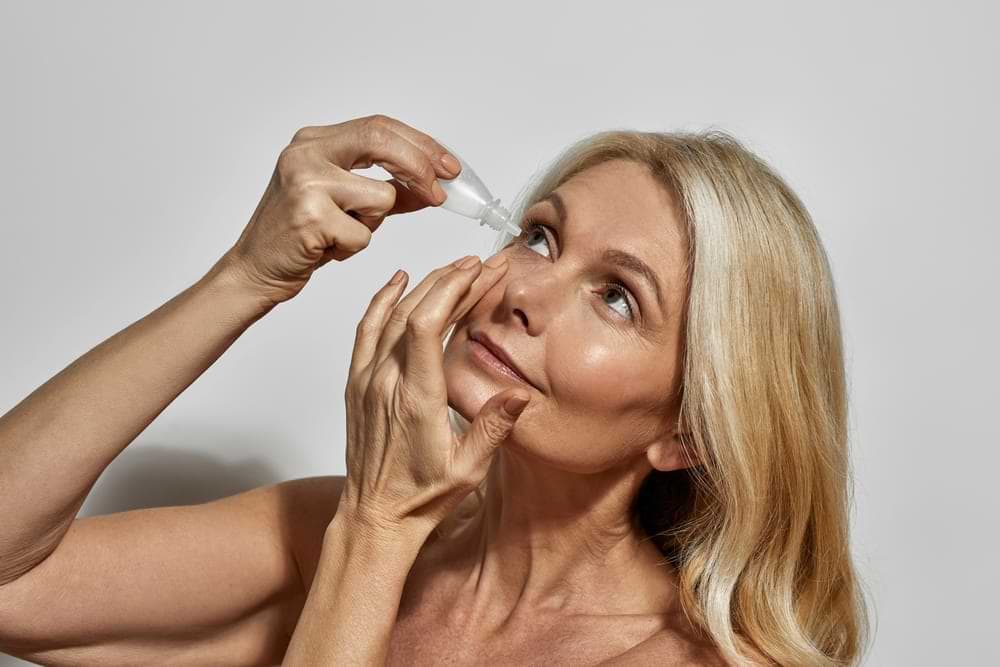
- Choose preservative-free lubricating eye drops where possible. Many standard artificial tears provide short relief but do little for evaporative dry eye.
Finally, the single important thing you can do is to visit your optometrist for a dry eye assessment. Once the underlying cause becomes clear, treatment decisions become far more effective and far less frustrating.
When Should You See An Optometrist About Hormonal Dry Eye?
You should see an optometrist as soon as you realise that dry eye symptoms have become persistent, affect vision quality, or interfere with contact lens wear.
Many women spend months cycling through eye drops without ever discovering what type of dry eye they actually have. That matters because tear film instability can come from poor oil production, reduced tear volume, inflammation, or a combination of all three.
A dry eye care assessment allows us to evaluate the tear film properly and examine meibomian gland function directly. In hormonal dry eye, gland blockage and gland deterioration are extremely common findings. But those changes are often invisible without specialised imaging and testing.
Certain medications can also worsen symptoms significantly, including antihistamines, antidepressants, blood pressure medications, and anti-androgen therapies. Reviewing medications with your eye care professional is an important part of understanding the full picture.
Most importantly, persistent dry eye should never simply be accepted as “part of getting older”. Early treatment helps protect the ocular surface and prevents long-term irritation from becoming chronic.
Final Thoughts
Hormonal dry eye can be surprisingly disruptive because the symptoms rarely arrive in a neat, predictable way. For many women, the changes creep in gradually. Vision becomes inconsistent late in the day. Contact lenses stop feeling comfortable. The eyes sting, water, or feel tired for reasons that never seem entirely obvious.
What makes this particularly frustrating is that many women spend years treating the symptoms without ever being told why the problem developed in the first place.
The encouraging part is that hormonal dry eye is usually very manageable once the underlying pattern is properly understood. Small changes often make a meaningful difference, and targeted treatment is far more effective than endlessly changing eye drops hoping one finally works.
If hormonal changes seem to have impacted the way your eyes feel, then the very best decision you can make is to talk with us at one of our Sydney clinics.
Book an appointment with Beyond Eyecare today at Zetland (02) 9662 6364 or Surry Hills (02) 9556 1160. You can also schedule a convenient time through our website.

Therapeutical endorsement