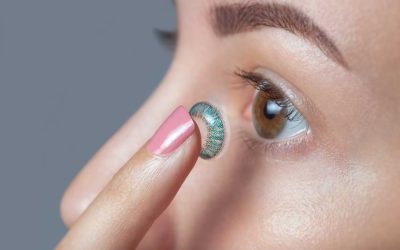

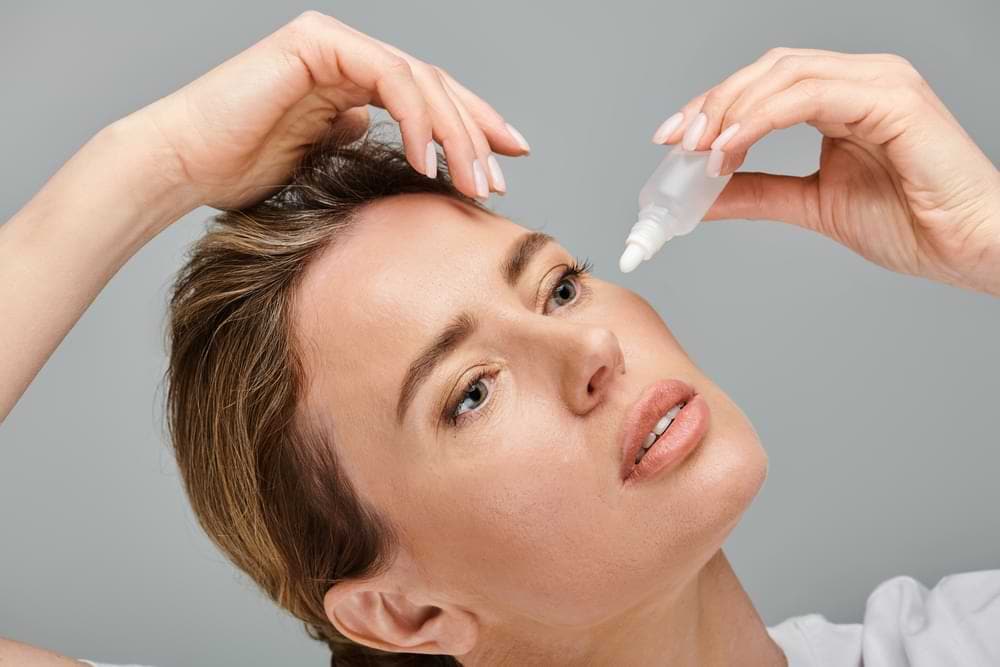
Why do your contact lenses feel fine in the morning, then start drying out just when you need them most? And how do you know which eye drops for contact lenses will actually help rather than just temporarily masking the problem?
I’m David Truong, Owner and Principal Optometrist at Beyond Eyecare in Sydney. In my day-to-day role, I work closely with patients who struggle with contact lens discomfort, dry eye symptoms, and finding the right balance between clear vision and all-day comfort. A big part of my work involves assessing tear film quality, fitting contact lenses properly, and guiding patients toward the most suitable lubricating drops and dry eye solutions for their lifestyle and environment.
When it comes to contact lens dryness, it’s important to understand what is happening on the eye’s surface and choosing the right support for it. That’s exactly what I want to break down here.
KEY TAKEAWAYS
- Not all eye drops for contact lenses are the same, and using the wrong type can worsen irritation rather than improve comfort.
- Rewetting drops are designed specifically for use with contact lenses, while artificial tears vary in their compatibility.
- Preservative-free eye drop formulations are often the safest option for frequent use and sensitive eyes.
- Contact lens dryness is usually linked to a combination of tear film instability, lens type, and environmental factors like air conditioning.
Understanding Contact Lens Dryness
Why do contact lenses sometimes feel perfectly fine in the morning but uncomfortable by mid-afternoon?
When we see patients using eye drops for contact lenses, the most common issue we identify is a disrupted tear film. Contact lenses sit directly on the eye’s surface, interacting with the natural layer of moisture that keeps vision smooth and comfortable. In some people, lenses draw moisture away from the eye, while in others they increase evaporation throughout the day.
This often becomes more noticeable in everyday conditions. Air conditioning, prolonged screen use, and low indoor humidity all contribute. Lens material also plays a role. Silicone hydrogel lenses allow more oxygen through, but can still feel dry if the tear film is unstable.
Dry eyes contact lenses typically follow a predictable pattern: mild awareness early on, progressing to irritation, redness, and fluctuating vision that improves once lenses are removed. Wearing time often reduces, and reliance on glasses increases.
If contact lens dryness relief is not addressed early, comfort continues to decline and lens wear can become unsustainable. Early intervention makes a clear difference in long-term success.
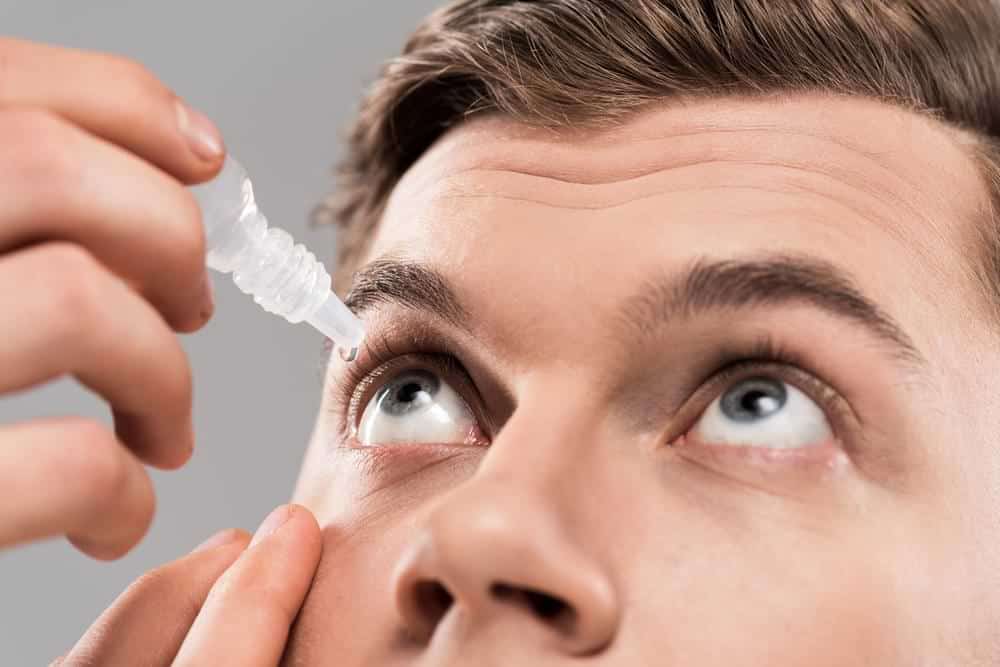
Rewetting Drops vs Artificial Tears for Contact Lenses
Why do some eye drops feel instantly comfortable with contact lenses, while others make things worse?
When patients ask us about eye drops for contact lenses, this is usually where the confusion starts. Not all drops behave the same once a lens is on the eye. Some are designed specifically to interact with the lens surface, while others are meant to support the eye’s natural tear film more broadly.
Rewetting drops are designed for use during lens wear. They coat the lens surface, reducing friction with the eyelid and easing the dry, dragging sensation that builds throughout the day.
Artificial tears are formulated to lubricate the eye surface. Some are compatible with lenses, but many are not. The difference lies in formulation—artificial tears aim to restore overall moisture, while rewetting drops are tested specifically for lens compatibility.
When comparing rewetting drops vs artificial tears, labelling matters. Only use products marked as contact lens compatible to avoid clouding, irritation, or buildup.
Preservative-free eye drops are often the better choice with frequent use, as they are gentler on both the eye and the lens.
Best Eye Drops for Contact Lens Wearers
When we recommend eye drops for contact lenses, we are less focused on brand names and more focused on how each drop interacts with the lens surface and the tear film. The aim is always the same: restore comfort without affecting vision or the way the lens sits on the eye.
- Rewetting drops are usually the first option for lens-related dryness. Products such as Blink Contacts or Biotrue Hydration Boost are designed specifically for contact lens wearers. They work directly on the lens surface to reduce friction and quickly improve comfort. These are especially useful during the day when lenses start to feel dry, gritty, or unstable.
- Preservative-free artificial tears are another option, including Refresh Plus, Systane Ultra PF, and Refresh Optive PF. These help support overall tear film stability and are generally well tolerated by sensitive eyes. Some are safe to use while wearing lenses, while others are better suited for use before inserting or after removing them, so checking compatibility is important.
- Ingredient choice also matters. Drops containing hyaluronic acid or lipid-based components tend to provide longer-lasting hydration. This is particularly helpful for evaporative dry eye, which is common in people wearing contact lenses in air-conditioned environments like those often found in Sydney.
- Lens type influences drop choice as well. Daily disposable lenses usually need lighter, simpler lubrication, while reusable lenses often benefit from more consistent rewetting support throughout the day. Matching the drop to the lens material can significantly improve comfort.
- Viscosity influences how the drops feel during use. Thinner drops provide fast relief with minimal visual blur, which suits screen-heavy work or driving. Thicker or lipid-based drops last longer but may temporarily affect clarity, so timing of use matters.
There is no universal “best” option for everyone. The right choice depends on the eye, the lens, and the daily environment. Comfort improves when all three are considered together.
Safe Usage Tips and Common Mistakes to Avoid
In clinic, we often see that the issue is less about the drop itself and more about how and when it is used. Even well-formulated lubricating drops can underperform if the timing or technique is wrong.
- Label guidance and timing matter. If a drop is marked as contact lens safe, it can usually be used while wearing lenses. If not, lenses should be removed first and reinserted after a short wait. This reduces the risk of irritation and unwanted interaction with the lens surface.
- It’s better to use drops proactively rather than waiting for discomfort. Small, regular use helps maintain comfort, while reactive use often comes too late. This works best when combined with good hygiene, correct replacement schedules, and avoiding over-wear of lenses.
- Certain products should be avoided. Redness-relief drops can temporarily mask symptoms but may cause rebound redness or interact poorly with lenses. Expired drops and shared bottles also increase contamination risk and should never be used.
- Everyday habits play a role. Reduced blinking during screen use increases dryness, while simple changes like regular breaks and improved indoor humidity can significantly improve comfort.
Good results depend on both the right product and the right habits.
When to Seek Professional Help for Ongoing Dryness
When does contact lens dryness stop being a simple lubrication issue and start needing a proper clinical review?
If eye drops for contact lenses are no longer providing reliable relief, it usually signals a deeper issue. Drops can support comfort, but they do not address underlying causes like tear film instability, meibomian gland dysfunction, or a poor lens fit.
At Beyond Eyecare in Sydney, we assess more than symptoms. We evaluate tear quality, drying time, and how the lens interacts with the eye. Sometimes the solution is adjusting drops. In other cases, it involves changing the lens type or wearing schedule.
We often see patients with persistent dryness that never fully settles. With targeted dry eye treatment and lens adjustments, comfort can improve significantly.
Ongoing redness, fluctuating vision, discomfort, or pain should not be ignored. These signs need proper assessment rather than repeated trial-and-error with different drops.
Final Thoughts
Contact lens discomfort rarely comes down to “just needing better drops.” More often, it’s a quiet mismatch between your tear film, your lenses, and how you use them day to day.
The eye is remarkably good at tolerating small issues—until it isn’t. That’s when dryness creeps in, wearing time shrinks, and confidence in your lenses starts to slip.
The solution isn’t guessing your way through another bottle; it’s understanding what’s actually happening on the eye’s surface and correcting it properly.
If you are finding that your contact lenses feel less comfortable than they should, then the right decision is to schedule a consultation at our clinic.
Book an appointment with Beyond Eyecare today at Zetland (02) 9662 6364 or Surry Hills (02) 9556 1160. You can also schedule a convenient time through our website.

Therapeutical endorsement