
Every parent wants their child to have the best chance to thrive at school — but sometimes challenges in the classroom aren’t about effort or ability. They can be linked to vision. Children don’t always realise when their eyes aren’t working as they should, and many parents are surprised to learn how much even a small vision problem can affect reading, concentration, or confidence.
I’m David Truong, Owner and Principal Optometrist at Beyond Eyecare, and I see first-hand how children’s eye tests can make a real difference to a child’s quality of life. Because vision supports so much of what happens in the classroom, early detection of issues like myopia, lazy eye, or difficulty focusing can prevent small hurdles from turning into bigger obstacles.
In this article, I’ll share why regular eye tests matter, what signs parents can look out for, and how professional eye care helps set your child up for success — not just at school, but in sport, friendships, and everyday life.
Key Takeaways
- Clear vision in children supports learning, sport, and confidence.
- Comprehensive eye tests detect myopia, lazy eye, and other common childhood conditions early.
- School vision screenings are limited and often miss subtle vision problems in children.
- Parents play a crucial role in spotting early signs of eye conditions and encouraging healthy visual habits.
Why Children’s Eye Tests Matter
More than 80% of what a child learns at school is processed visually. If their sight isn’t sharp, reading lines of text, copying from the board, or even keeping focus through a lesson can feel like running with shoelaces tied together. Small issues, left undetected, can ripple into big challenges with concentration and confidence.
Vision doesn’t just power the classroom. Sport depends on it too. Whether it’s catching a cricket ball, judging distances on the football pitch, or simply keeping balance on a bike, clear eyesight is the silent teammate every child needs. Good hand-eye coordination builds confidence, while missed catches or clumsy mistakes from blurred vision can knock it down just as quickly.
Eye health also links to a child’s development beyond today. Early checks help spot conditions such as myopia, lazy eye, or strabismus before they become harder to manage. Regular assessments give us a chance to guide growth in the right direction, protecting their sight as they move from playground to adulthood.
Common Vision Problems in Children
Myopia, or short-sightedness, is now one of the most common issues I see in school-aged kids. Too much screen time, too little outdoor play, and suddenly the whiteboard at the front of the classroom becomes a blur.
On the other side is hyperopia, or long-sightedness. Children with this condition often find close work tough. Reading a page or focusing on homework can leave them rubbing their eyes or battling fatigue.
Astigmatism adds another layer, where the shape of the cornea bends light unevenly and blurs vision at every distance.
Some conditions need quicker intervention. Amblyopia, known as lazy eye, and strabismus, or eye turn, can permanently affect sight if left untreated. Early detection is the key to giving each eye the chance to develop properly.
Then there’s conjunctivitis, the all-too-common “pink eye” that spreads quickly in classrooms. Allergies, infections, or irritants may all be the cause, and the right diagnosis makes treatment far more effective.
When To Book A Children’s Eye Test
When is the right time to have your child’s eyes checked? Earlier than many parents realise!
I recommend the first eye test around six months of age, followed by another between three and five years. Once children start school, annual or biennial checks help keep track of changes as their eyes grow and their visual demands increase.
There are also warning signs you can spot at home. If your child squints, rubs their eyes often, or insists on sitting close to the TV, it’s worth booking an appointment. Complaints of headaches, blurred vision, or difficulty focusing on schoolwork are strong signals too.
Parents often assume school screenings are enough, but they’re limited. Those quick checks might pick up obvious problems, but they can easily miss more subtle issues such as mild astigmatism or early signs of lazy eye. A comprehensive exam by an optometrist gives a full picture of your child’s vision and eye health.
| Age | Recommended Check | Why It Matters |
| 6 months | First comprehensive eye exam | Detects early eye alignment or developmental issues |
| 3–5 years | Pre-school check | Ensures readiness for learning and development |
| School age (every 1–2 years) | Ongoing monitoring | Catches myopia, reading difficulties, or emerging eye strain |
| Any time symptoms appear | Extra check | Addresses sudden changes such as squinting or headaches |
What Happens During a Children’s Eye Test?
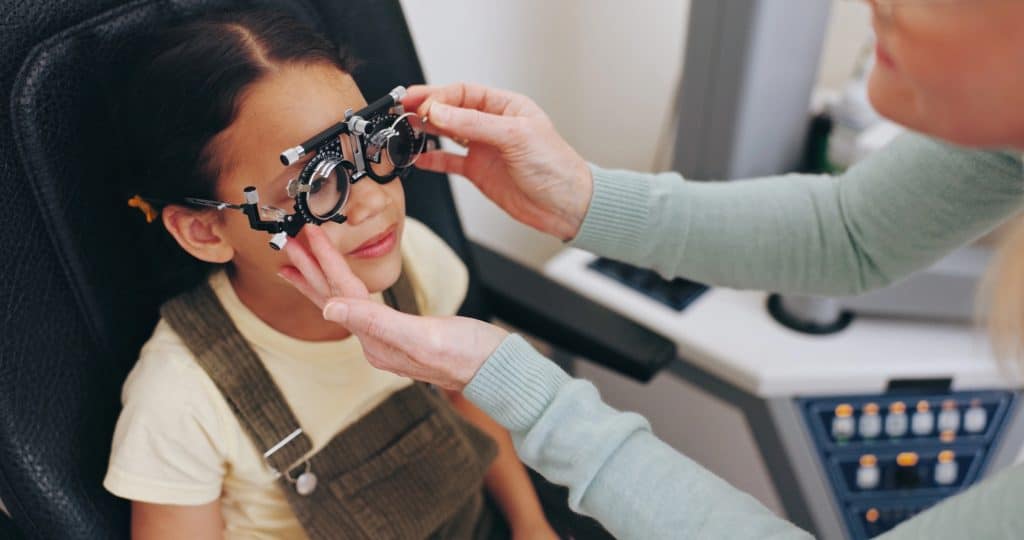
A children’s eye test begins with a general check of eye health and muscle coordination. I look at how the eyes move, how they work together, and whether there are any early signs of conditions like myopia or amblyopia.
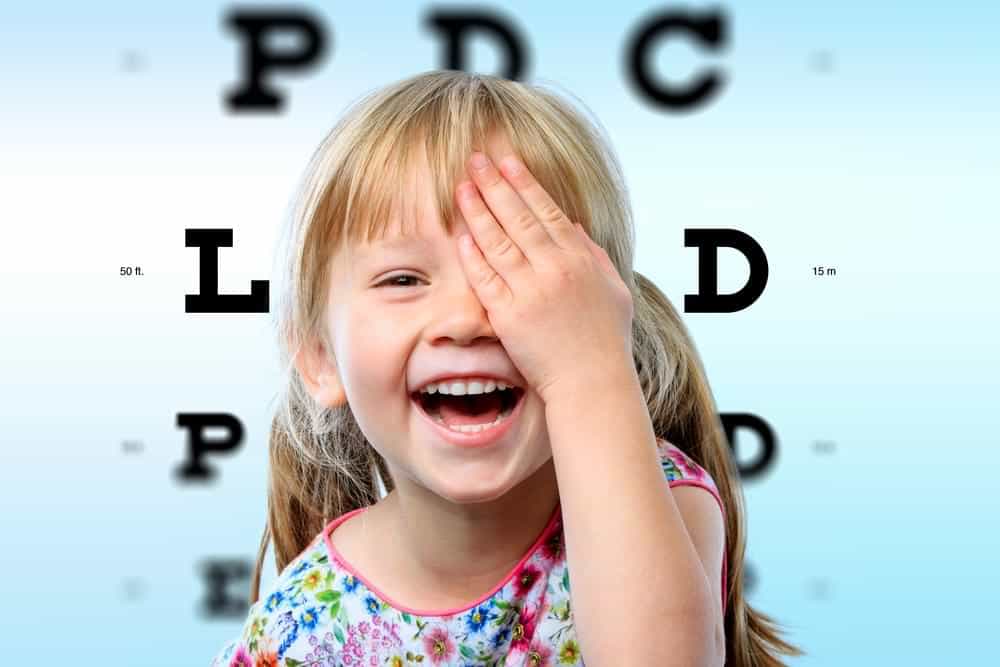
Next comes visual acuity. Instead of long rows of letters, I often use picture charts or shapes so young children feel comfortable. It’s less intimidating and gives me a clear idea of how well they see near and far.
If more detail is needed, I run a refraction test to measure whether glasses might help. In some cases, I’ll use retinal imaging or an OCT scan. These tools give me a deeper look inside the eyes and help spot issues long before they cause problems.
Treatment And Management Options
Which options help children see clearly and stay confident? Glasses are usually the first step. A correct prescription supports their learning, stops headaches, and helps them keep up in the classroom. Frames these days are built for comfort and durability, so kids can wear them without fuss.
For older children, contact lenses open new doors. They’re excellent for sport and active lifestyles, provided the child is mature enough to handle hygiene routines.
Myopia control treatments are another important tool. Options like Ortho-K lenses, multifocal contact lenses, or specially designed glasses can slow down the progression of short-sightedness.
Some conditions need targeted care. Lazy eye or eye turn may require patching, vision therapy, or specific corrective lenses. Act early for the best chance of restoring balance between the eyes. In cases of binocular vision dysfunction, where the eyes struggle to work together, longer-term therapy with a developmental optometrist may be needed.
The Role of Parents in Supporting Eye Health
Parents have more influence on their child’s vision than many think. Booking regular eye tests is the first and most important step. Even if nothing looks wrong, routine checks catch issues before they snowball into bigger problems. I always remind families that exams are simple, comfortable, and a normal part of keeping kids healthy.
Good habits at home matter too. Balanced screen time, plenty of outdoor play, and proper lighting when reading or doing homework all support healthy eyes. These small lifestyle choices add up and protect vision in the long run.
Parents also play the role of early detector. If a child tilts their head when reading, avoids near tasks, or suddenly struggles at school, it may be linked to their sight. Quick action makes treatment more effective and reduces the impact on learning or confidence.
Finding A Children’s Optometrist in Sydney
Where should you turn if you need professional care for your child’s eyes? The key is finding an optometrist with proven experience in paediatric vision. Children require more than a quick glance at a letter chart. They need someone who understands how to make the exam engaging, uses advanced diagnostic tools, and knows how to explain results clearly to parents. A friendly, patient approach is vital to help kids feel relaxed and safe.
At Beyond Eyecare, I’ve shaped our services to meet these needs. We use modern technology to detect even the smallest issues, and we take time to explain every finding in plain language. Parents leave with a clear plan, and children leave feeling supported rather than anxious. Whether it’s managing myopia, treating lazy eye, or assessing vision for sport, our focus is on practical solutions that keep kids seeing their best.
Final Thoughts on Children’s Eye Tests
Children depend on their vision more than most parents realise, and small issues can have big consequences if they go unnoticed. Regular children’s eye tests give us the chance to correct problems early, support learning, and boost confidence in sport and everyday life.
Book an appointment with Beyond Eyecare today at Zetland (02) 9662 6364 or Surry Hills (02) 9556 1160. You can also schedule a convenient time through our website.

Therapeutical endorsement